

Whoa! This popped up on my radar recently and stuck. I’d been skeptical about another browser extension wallet, honestly. But something about Rabby felt different on first try. The UI is crisp, and the flow feels built for people who trade and use DeFi a lot, not just collectors.
Really? Yeah, really. I installed it on Chrome and Firefox to compare. The speed was noticeable—transactions populated faster than in some other extensions I use daily. At first I thought it was just caching, but then I tracked nonce handling and gas suggestions more closely and saw better heuristics, which surprised me.
Hmm… somethin’ about the way it surfaces approvals bugs me in other wallets. Here’s the thing: one-click approvals are convenient, but they make my stomach flip sometimes. Rabby pushes a clearer approval UX and groups approvals in ways that reduce accidental over-allowing, though actually, wait—let me rephrase that, it’s not perfect but it’s a better default experience for power users and newbies alike.
Okay, so check this out—security feels intentionally designed. The wallet supports per-site permissions and granular contract approvals which is very very important for anyone doing DeFi interactions. My instinct said “safer defaults,” and looking under the hood confirmed it: they layer prompts and provide contextual warnings when interacting with risky contracts. On one hand that adds friction, though actually it catches mistakes that would otherwise cost you gas and maybe funds.
Seriously? Yep. I kept a small test fund and pushed a few trades and contract calls. The transaction simulation and the gas optimizer were handy, and the interface showed estimated outcomes before I signed. Initially I thought those estimates would be vague, but the gas estimations were actionable, and that reduced a decent chunk of anxiety.
Whoa! The multi-account and multi-chain handling is neat. Managing Ethereum mainnet and layer-2s felt seamless in a way that minimized network hopping. I like having accounts grouped by use-case (trading, farming, cold storage) and the UI keeps them separate, though sometimes the labels need manual tweaking—small quirk, easy fix.
Hmm… the devs baked in wallet connect and hardware wallet support too. That combo matters for people who split custody, and it’s a practical trade-off between convenience and security. Initially I thought hardware support was perfunctory, but when I paired a Ledger I noticed the flow respected on-device confirmations more cleanly than some other extensions do; that reduced accidental approvals for me.
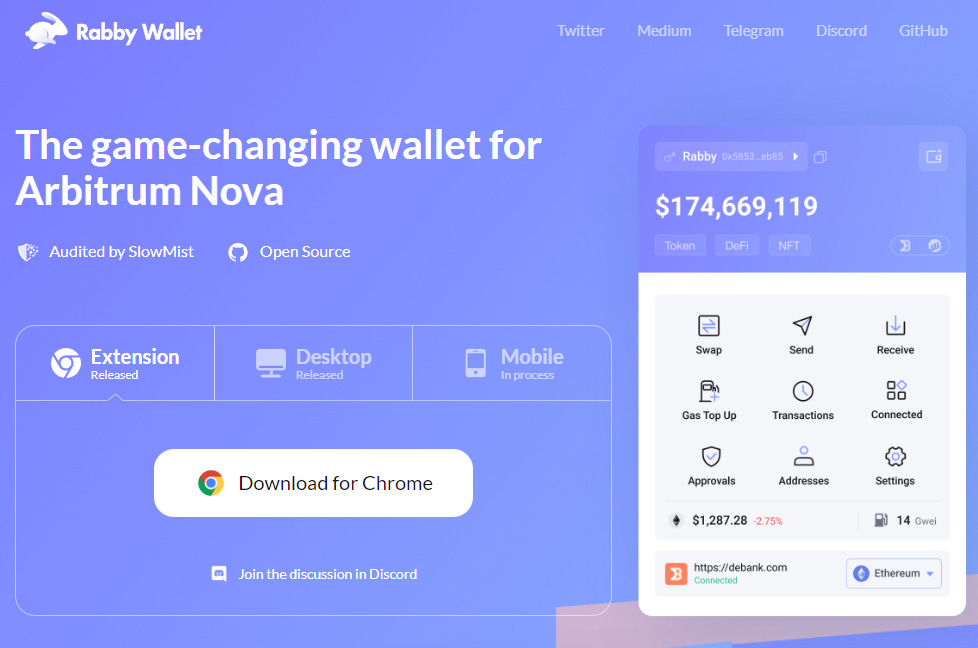
Really? You can get it now. If you want to try it, consider downloading from their official page for a safe install: rabby wallet download. I mention that because phishing extensions are a real thing—please do use only the legit link and double-check the store publisher, ok?
Practical tips from someone who plays with wallets too much
Whoa! Small setup choices change your risk profile. Create multiple accounts and label them. Use one for shady airdrops and another for actual holdings. My instinct said to keep everything in a single place, but that feels risky now—segmentation helps contain exposure.
Hmm… enable contract allowlists or use the built-in approvals manager to revoke permissions regularly. Tools that automate revokes are handy but not bulletproof. On a slow morning I audited allowances and revoked three old approvals that I didn’t even remember granting, which felt like clearing out cobwebs.
Seriously? Backups matter. Export your seed securely and consider a hardware fallback. I’m biased, but I favor long phrases and offline backups for the seed—write it down, store copies in separate secure places, and avoid cloud note services for this. I’m not 100% sure people do this consistently, but you should.
Whoa! Another thing: learn the gas and nonce basics. Rabby gives gas recommendations, but there are times when a manual override makes sense, especially for complex multisig or contract interactions. If you rush, weird nonce issues or failed TXs can create headaches that are avoidable with a little patience.
Okay, so one annoyance: extension permissions. Browser stores sometimes require broad permissions and that can feel invasive. Rabby aims to limit those, though the browser ecosystem pushes developers into certain permission models. It’s a trade-off, and I wish the browser vendors offered more granular controls by default.
FAQ
Is Rabby safe to use for DeFi?
Yeah, with caveats. The wallet prioritizes better UX around approvals and hardware integration, which reduces common mistakes, but no software is a magic shield. Use segmented accounts, keep a hardware backup, and always verify transactions before signing—especially when interacting with unknown contracts.
Where should I get Rabby?
Get it from the official page to avoid impostors. I linked the official download above—double-check the publisher in your browser extension store, and if something seems off, pause and confirm before installing. Little checks save big headaches later.